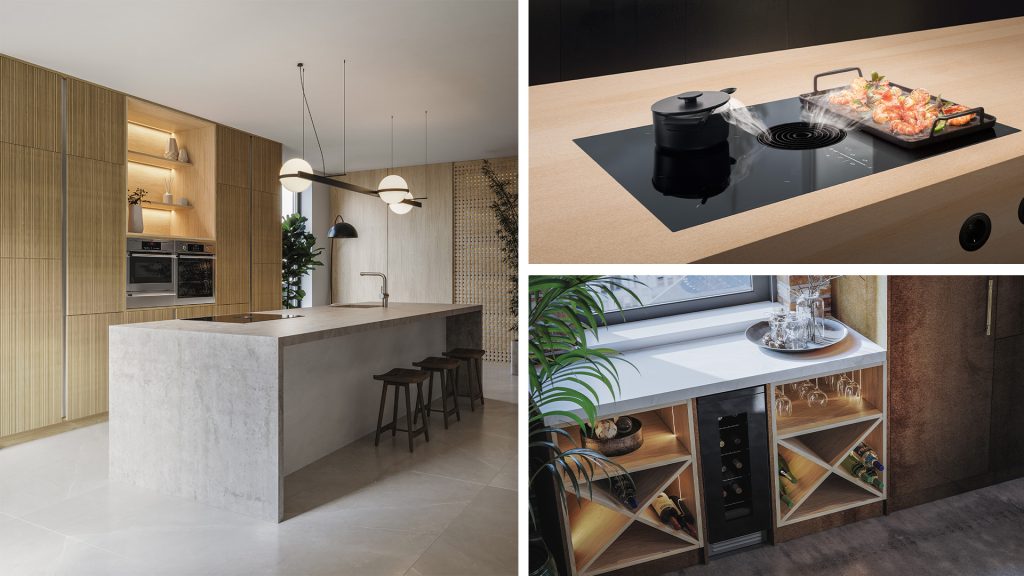
As we step into 2026, kitchen design is evolving fast – blending timeless craftsmanship, smart technology, and personal expression in ways that make kitchens more functional, beautiful, and truly part of everyday living. Whether you’re planning a full renovation or just sprucing things up, here are the trends dominating kitchen design this year.
From White to Warm
The Shift Toward Natural Palettes & Materials
One of the most significant shifts in 2026 is the move away from stark white kitchens. Instead, kitchens are embracing warmth, character, and a sense of natural elegance. Creamy neutrals, sandy beiges, soft olive greens, clay tones and earthy neutrals are rising in popularity.
At the same time, natural wood cabinetry is making a strong comeback. Think warm oak, walnut, or wood with visible grain – materials that add texture, intimacy, and timeless appeal.
Why this matters: A kitchen should feel like part of a home – warm, welcoming, and lived-in. These natural palettes and materials help kitchens feel more like personal spaces rather than sterile, showroom-style rooms.
Smart, Seamless & Hidden
Technology Meets Subtlety
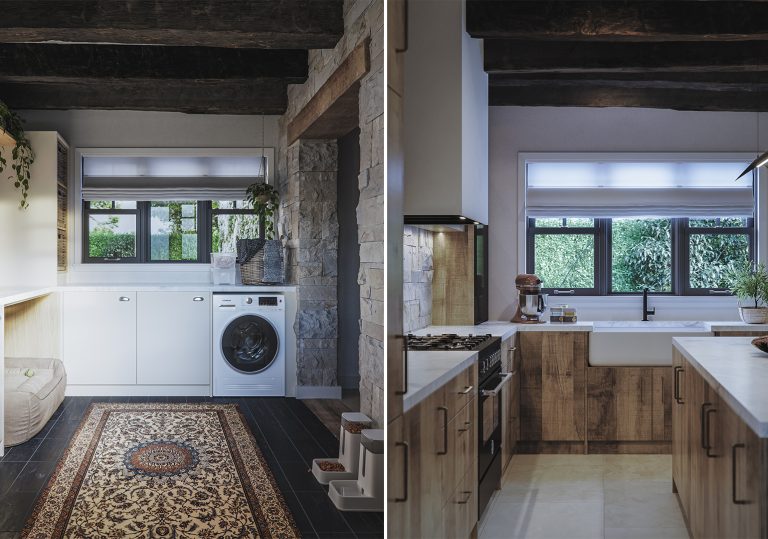
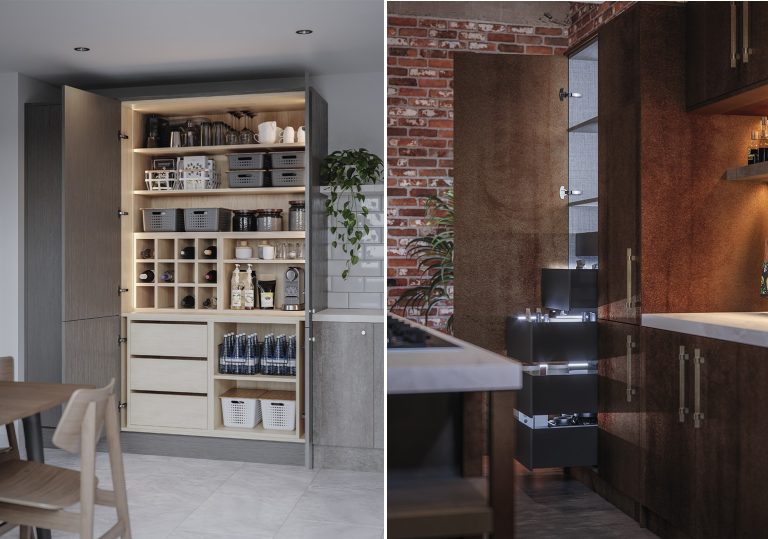
Modern kitchens in 2026 are not about flaunting technology – they’re about making it invisible. Integrated appliances, hidden storage, and cleverly concealed systems are now a standard, not a luxury.
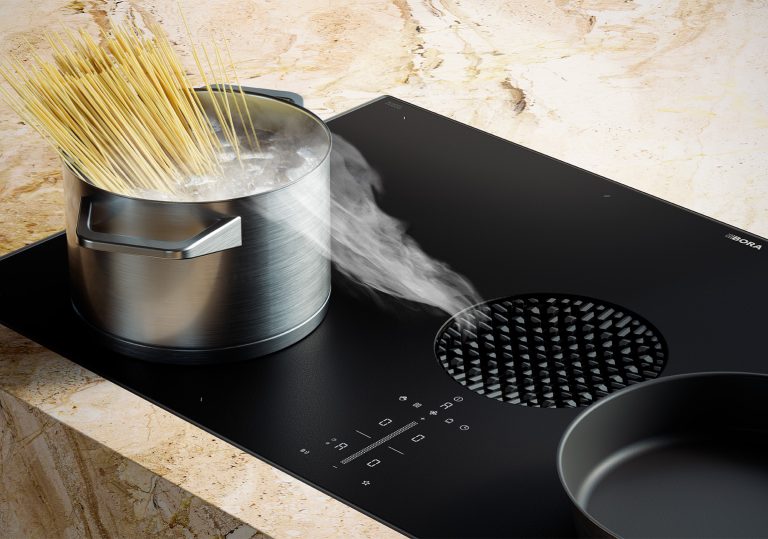
Expect hidden refrigerators, built‑in dishwashers, touch-to-open cabinets, and minimalist hardware. Even range hoods or extractor fans are being concealed to preserve clean lines. Have you considered a Bora Hob for your kitchen renovation project? Ask your designer in-store for more information.
Why this matters: Kitchens are part of modern living: they double as social hubs, workspaces, and cooking zones. Seamless integration of technology and clever storage means kitchens can adapt to all these needs without compromising on style.
A Kitchen As Unique As You
Statement Surfaces & Textures
2026 kitchens are about thoughtful statement – not loud or flashy, but intentional and refined. Dramatic stone surfaces (think richly veined marble or quartzite) are coming back strong: waterfall islands, stone countertops and splashbacks that flow from worktop to wall.
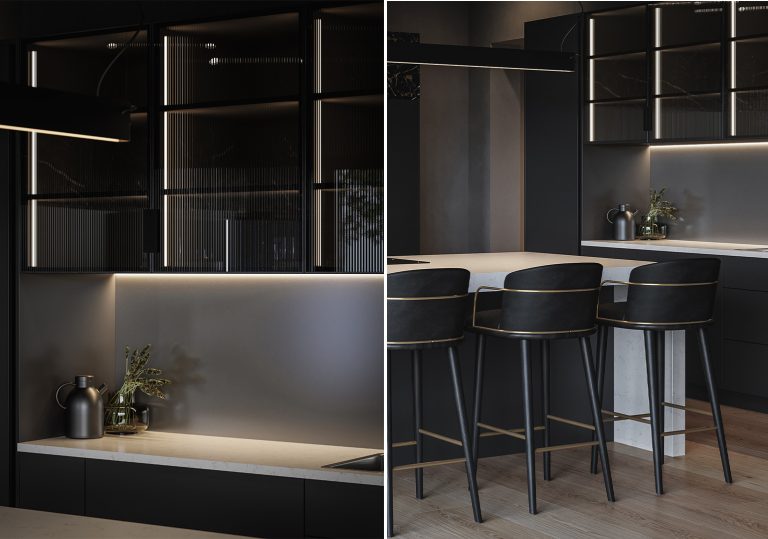
Texture matters too. Mixed materials such as wood, stone, and metal, bring a layered, tactile quality to kitchens. Decorative touches like vertical groove cabinetry, fluted glass units, or textured doors are becoming popular in “wet zones” (areas around sinks, hobs, etc.) to add character without sacrificing sophistication.
Why this matters: These surfaces and textures make the kitchen feel bespoke and high-quality, not generic. They tell a story and add soul to what might otherwise be purely functional spaces.
Sneaky Storage
Zoning, Pantries & the Rise of the “Invisible Kitchen”
Open‑plan living has dominated home design for years but 2026 brings a subtle refinement. Rather than exposing every appliance and drawer, people are embracing layered kitchens: hidden zones, walk-in or “butler’s” pantries, sculleries, and clever storage zones that keep everyday mess out of sight.
These hidden zones allow the main kitchen area to remain calm, curated, and streamlined – ideal for entertaining or just enjoying a peaceful cooking moment.
Why this matters: A well-designed kitchen should serve your lifestyle – sometimes open and social, other times quiet and functional. Zoning and hidden storage give you flexibility while keeping your space beautiful.
Related posts
You might also like
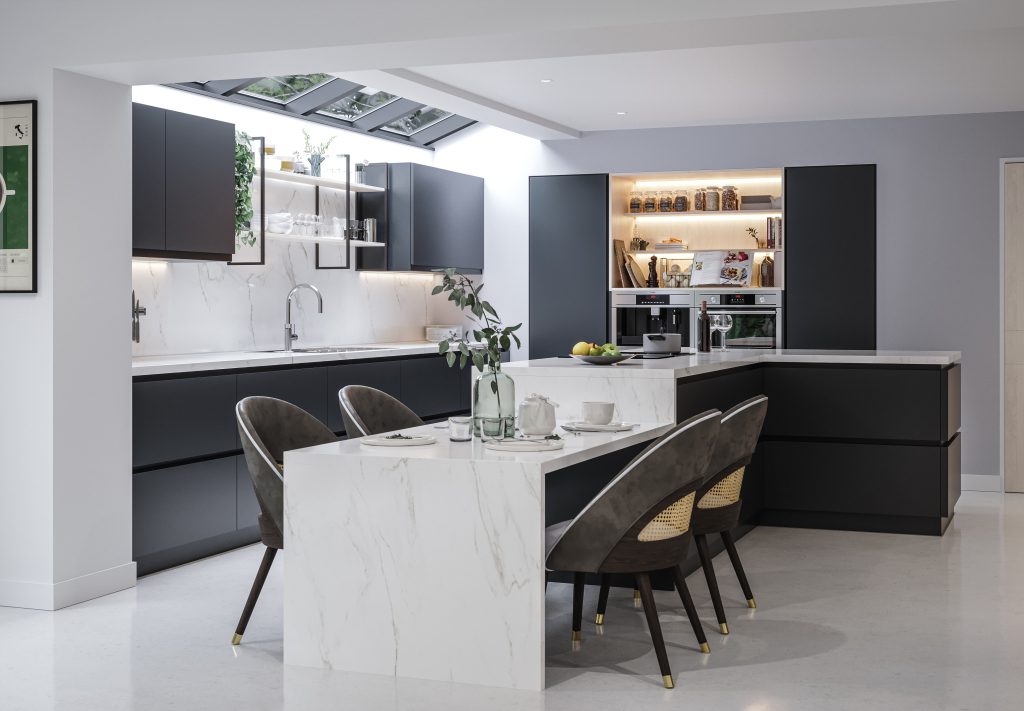
The LINEA Collection | New Contemporary Kitchen Designs
Be inspired to create the perfect space for open plan living and a modern lifestyle with our new contemporary kitchen designs from our LINEA collection....
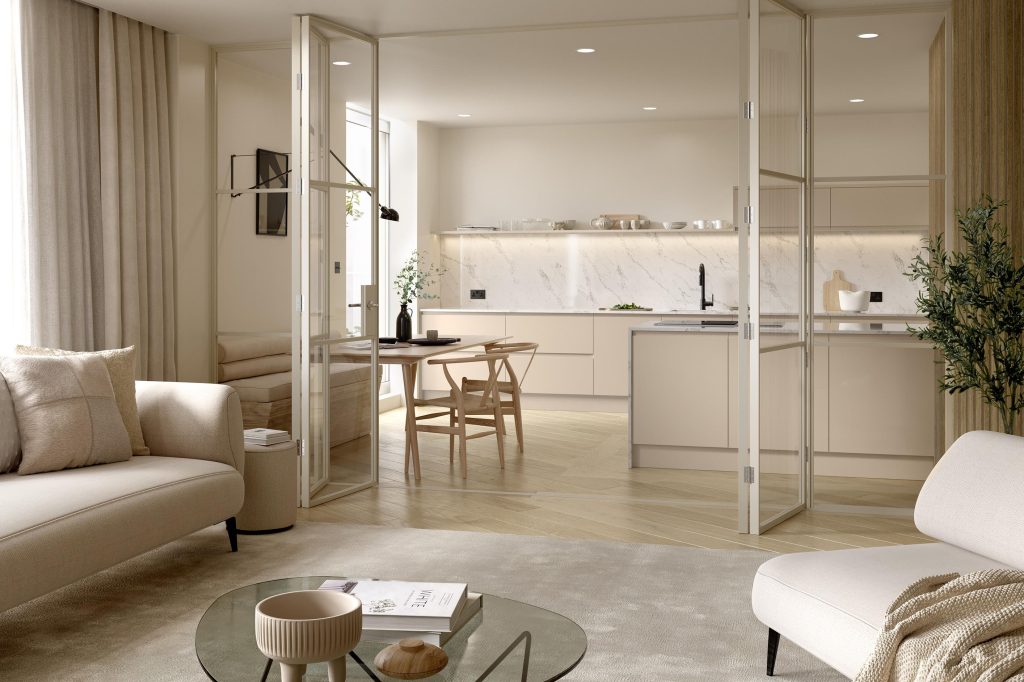
4 Calming Kitchen Décors For A Relaxed Home
The kitchen can often be a busy place, especially in the modern family home. It's a space to cook, dine, and entertain in among other...